Recycling and Sustainability at Deep Cleaning Wimbledon
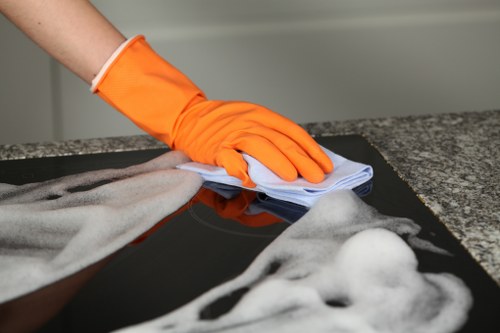 At Deep Cleaning Wimbledon, sustainability is built into every stage of our service. Our approach to deep cleaning Wimbledon homes, flats, and commercial spaces is designed to reduce waste, improve material recovery, and support a cleaner local environment. We work with a practical recycling percentage target of 90% for recyclable waste streams generated through our operations, with the aim of sending only a small residual fraction to energy recovery or disposal. This target helps guide how we sort materials, choose supplies, and plan collections.
Our recycling and waste handling practices are shaped by the way London boroughs manage waste separation. In areas around Wimbledon, households and businesses are generally encouraged to separate dry mixed recycling, food waste, garden waste, and general refuse carefully, and we reflect that same discipline in our cleaning routines. We focus on separating packaging, paper, plastics, metals, and other recoverable materials wherever site conditions allow. This supports better recycling outcomes and reduces contamination in the local waste stream.
 When carrying out deep cleaning in Wimbledon, we also pay attention to the items that are commonly removed during clearance-style cleans, such as cardboard packaging, emptied containers, worn cloths, and non-hazardous residues. Where appropriate, these materials are segregated for recycling or responsible processing. Low-impact disposal is a key part of our model, and our teams are trained to recognise which materials can be diverted from landfill and which require specialist handling.
 One of the ways we reduce emissions is through the use of low-carbon vans. These vehicles are selected for improved fuel efficiency and lower CO2 output compared with older diesel fleets. They are used for transport between jobs, local collections, and deliveries of equipment, helping to cut the environmental footprint of every Wimbledon deep cleaning appointment. Careful route planning also means fewer miles driven and less idling in traffic, especially on busy roads connecting Wimbledon, Merton, and the surrounding neighbourhoods.
We also make use of local transfer stations and authorised waste facilities so that recyclable materials can be moved efficiently into the correct processing channels. This is important for a service like deep cleaning Wimbledon, where waste types may vary from domestic packaging to bulky non-hazardous items removed during intensive cleans. By directing waste to the right local transfer points, we help support traceable handling, better sorting, and reduced contamination. In practice, this means materials are more likely to be recovered, reprocessed, or reused instead of being sent straight to final disposal.
Our local working area benefits from access to well-established transfer and recycling infrastructure across southwest London and nearby boroughs. These sites help manage mixed loads in a controlled way, especially where a job produces a combination of dry recyclables and general waste. We prefer facilities that prioritise material recovery and follow strict environmental standards. This supports our wider commitment to responsible recycling in Wimbledon and ensures waste is processed in line with current regulations.
We also place a strong emphasis on partnerships with charities. Furniture, household items, and reusable goods that are still in good condition may be directed toward charitable reuse routes where suitable. This can include items such as storage units, small furnishings, kitchenware, and non-specialist home goods recovered during a cleaning project. By choosing reuse before recycling where possible, Deep Cleaning Wimbledon helps extend the life of usable items and supports community-focused organisations.
These partnerships are valuable because they turn a cleaning visit into an opportunity for social and environmental benefit. Rather than treating every item as waste, we assess whether it can be donated, repurposed, or recycled. This approach aligns with the wider circular economy and reduces demand for new materials. It also means that a Wimbledon cleaning project can contribute to local good causes while keeping recoverable resources in circulation.
 In practical terms, sustainability means making sensible decisions on site. For example, if a property clean generates paper-based waste, metal fixtures, or separated plastics, we keep those streams distinct wherever possible so they are easier to recycle. In line with borough expectations around waste separation, we avoid mixing clean recyclables with general waste. This careful handling improves the quality of the recovered material and strengthens our overall recycling performance.
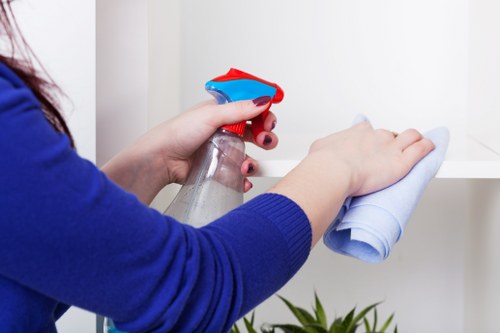 Our sustainability strategy also includes reducing packaging, choosing durable cleaning equipment, and favouring refillable or concentrated products where safe and suitable. These measures lower resource use over time and support our target for a high recycling percentage. For customers seeking deep cleaning Wimbledon services with an environmentally responsible approach, this means the process is designed to be efficient, low-waste, and considerate of local environmental priorities.
We recognise that Wimbledon sits within a wider network of borough-level waste systems, each with their own emphasis on correct separation and responsible disposal. That is why our waste handling is deliberately adaptable. Whether a project involves a residential flat, a shared hallway, or a commercial premises, we match our sorting methods to the waste profile on site. Our teams are trained to identify recyclable streams early, which helps maintain compliance and improve recovery rates.
Ultimately, Deep Cleaning Wimbledon aims to make sustainability a natural part of high-quality cleaning. With a 90% recycling target, use of low-carbon vans, access to local transfer stations, and partnerships that support charitable reuse, our approach balances effectiveness with environmental responsibility. It is a practical model for Wimbledon deep cleaning that supports cleaner spaces today and a more resource-efficient future for the area.