Hard Floor Cleaning in Wimbledon
When hard flooring starts to look dull, marked, or uneven, it can change the feel of an entire home or business. In a place like Wimbledon, where properties range from period homes near the village to modern apartments, family houses, offices, clinics, shops, and communal areas, floors often need more than a quick mop. Hard floor cleaning in Wimbledon is about restoring the appearance, improving hygiene, and helping your flooring last longer while keeping day-to-day disruption to a minimum.
Whether your floor is stone, tile, slate, vinyl, LVT, engineered wood, laminate, terrazzo, or another sealed hard surface, the right cleaning approach matters. Different floors respond differently to moisture, agitation, chemicals, and finishing products. A local service that understands the practical realities of Wimbledon properties can make a real difference, especially where access, parking, and busy schedules all play a part in how work is carried out.
From kitchens and hallways in family homes to reception areas, shared corridors, and customer-facing premises, hard flooring takes a lot of wear. Foot traffic, outdoor dirt, drink spills, pet marks, scuffs, and grime carried in from pavements and gardens can build up over time. A proper clean does more than make the surface look better: it can help reduce slipping risks, lift ingrained soil, and bring back the floor’s natural finish.
Why local hard floor cleaning matters in Wimbledon
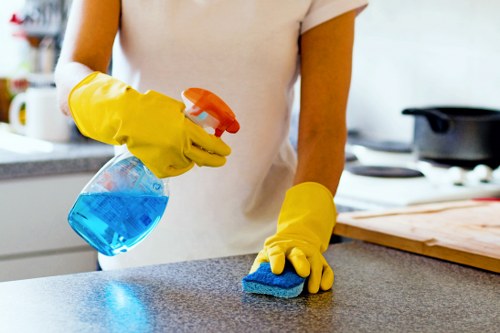
Wimbledon has a varied mix of property styles, and that variety affects how floors age and how they should be cleaned. Older homes may have natural stone floors, decorative tiles, or wood that needs careful handling. Newer developments may feature modern hard surfaces that are durable but still vulnerable to scratches, dull patches, and embedded dust. Local knowledge helps because the right method for one floor may be completely unsuitable for another.
There is also the practical side. Wimbledon can be busy, and many properties have limited parking, narrow access, time restrictions, or shared entrances. A local team is more likely to understand these realities and plan the job properly, whether that means working around residents, coordinating with building managers, or choosing equipment that suits the space. Hard floor cleaning Wimbledon services are often most valuable when they are built around the property, not forced into a one-size-fits-all process.
For customers in a hurry, a floor clean can be booked for a one-off refresh or as part of ongoing maintenance. For business owners, it can help maintain a professional appearance in front of clients and staff. For homeowners, it can make everyday cleaning easier by removing the sticky build-up and surface residue that regular mopping leaves behind.
What types of hard floors can be cleaned?

A good hard floor cleaning service should begin with identifying the material and understanding how it has been installed and finished. Not every surface should be treated the same way. Some floors are porous and absorb liquids quickly. Others are sealed but sensitive to harsh chemicals or abrasive tools. Many customers in Wimbledon have more than one hard floor type in a single property, so flexibility is important.
Common floor types that can benefit from professional cleaning include:
- Natural stone such as marble, limestone, travertine, sandstone, and slate
- Ceramic and porcelain tiles in kitchens, bathrooms, halls, and commercial entrances
- Vinyl flooring and sheet vinyl in schools, offices, and homes
- LVT and luxury vinyl planks that need careful cleaning to protect the finish
- Engineered wood and sealed hardwood with appropriate low-moisture methods
- Terrazzo often found in older buildings and communal areas
- Concrete and sealed industrial floors in workshops, storage spaces, and some commercial premises
Some floors need deep cleaning alone. Others may also need a protective treatment, polishing, or neutralising rinse to leave the finish clean and balanced. The key is to use the right process for the surface rather than relying on generic cleaning products that can leave residue or cause dullness.
What is included in a professional hard floor clean?

Customers often want to know exactly what happens during the visit. While every job is different, a proper service usually starts with an inspection so the cleaner can assess the floor type, finish, condition, and any damage or problem areas. That assessment helps decide whether the floor needs deep cleaning, spot treatment, machine agitation, or a more delicate approach.
Typical service steps may include:
- Checking the floor material and identifying worn or sensitive sections
- Removing loose dust, grit, and dry debris before wet cleaning begins
- Applying an appropriate cleaning solution for the specific floor type
- Agitating the surface with the right pads, brushes, or cloths
- Extracting loosened soil and residue with suitable equipment
- Detail-cleaning edges, corners, grout lines, or joins where needed
- Rinsing or neutralising the floor where the material requires it
- Allowing safe drying and advising on aftercare if needed
In some cases, the service may also include protective finishing or recommendations for the best follow-up treatment. For example, a tired stone floor may benefit from sealing after cleaning, while a vinyl surface may need a finish that supports future maintenance. The aim is not only to clean the floor, but to leave it easier to care for in the weeks and months that follow.
Benefits of hard floor cleaning for local homes and businesses
For homeowners
In family homes, flooring can be one of the hardest-working surfaces. Mud from shoes, food spills, pet accidents, pushed-in grit, and everyday wear can quickly build up. Regular domestic cleaning helps, but it does not always remove ingrained grime or restore a floor that has lost its finish. Professional hard floor cleaning can brighten the room, improve hygiene, and make the floor feel more pleasant underfoot.
It is especially useful in hallways, kitchens, utility rooms, conservatories, and open-plan living areas. These spaces tend to show dirt quickly, and in Wimbledon homes with active family life or regular visitors, floor appearance can make a strong first impression. A cleaner surface also supports easier routine upkeep because dirt is less likely to cling to residue or damaged finishes.
For commercial customers
Businesses in Wimbledon, from offices and salons to restaurants, medical practices, schools, showrooms, and retail premises, need floors that look presentable and perform well throughout the day. Clean hard flooring can improve the appearance of a reception, reduce the risk of slips caused by grime, and contribute to a more organised and professional environment.
For commercial spaces, timing matters as much as the result. Many premises need work carried out before opening, after hours, or in stages to keep disruption low. A local team can often work more flexibly around operating times, deliveries, visitors, and staff movement. That makes it easier to keep the premises clean without affecting the normal flow of the business.
Common floor problems we help solve

Different flooring problems call for different methods. A surface that looks dirty may actually be suffering from residue build-up, while another may have light staining, uneven wear, or a loss of shine. Understanding the problem is the first step toward choosing the right cleaning process.
Typical issues include:
- Dullness caused by layers of detergent residue or worn finish
- Black heel marks and scuffs in halls, corridors, and entrances
- Staining from food, drinks, oils, or outdoor dirt
- Grout discolouration between tiled areas
- Sticky or patchy floors from overuse of unsuitable products
- Slippery build-up on vinyl, tile, or stone surfaces
- Embedded dust and grit that regular mopping fails to remove
Some of these issues are cosmetic, but others can affect safety and long-term floor condition. If dirt is allowed to remain on the surface, it can act like sandpaper underfoot and gradually wear down the finish. That is why many Wimbledon customers choose a deeper clean before damage becomes more noticeable or expensive to address.
How the service works
A straightforward process from enquiry to completion
A good service should be simple to arrange and easy to understand. Customers usually want clarity about what will happen, how long it might take, and whether they need to prepare the area beforehand. The process is generally designed to be efficient and minimally disruptive.
The usual sequence is:
- Initial enquiry - You explain the floor type, the area size, and any concerns such as stains, dullness, or traffic wear.
- Assessment - The service provider may ask for photos or additional details so the right approach can be planned.
- Scheduling - A visit is arranged at a time that suits your home, business, or building access requirements.
- On-site preparation - The area is checked, loose debris is removed, and the cleaner identifies any sensitive points.
- Deep cleaning - The floor is cleaned using suitable products and equipment for the specific material.
- Final inspection - The cleaned area is reviewed, and any aftercare advice is given.
This approach helps ensure the result is thorough and tailored. It also gives you the chance to ask questions about ongoing maintenance, seasonal care, or whether a protective finish would be useful later on.
What you can do before the appointment

Preparing the area in advance does not need to be complicated. A few simple steps can make the visit smoother and help the cleaner focus on the floor itself. If you are booking hard floor cleaning in Wimbledon for a home, office, or shared space, a small amount of preparation can save time and reduce disruption.
Preparation checklist
- Move small furniture, mats, and loose items from the area if possible
- Clear away breakables, toys, paperwork, or fragile décor
- Let the team know about any existing damage, loose tiles, or lifted edges
- Arrange access to water, power, or lifts if the building requires it
- Keep pets and children away from the work area during cleaning and drying
- If parking or entry is restricted, mention that in advance so it can be planned for
In some cases, the cleaning team may help with moving light furniture, but this should always be agreed beforehand. The aim is to avoid surprises and ensure the work can be completed safely and efficiently.
Tip: If your floor has a particular issue, such as a spill stain near a kitchen island or marks around a reception desk, point it out when you enquire. This helps the cleaning plan focus on the areas that matter most to you.
Pricing factors and what affects the quote
Why every floor is different
Many people ask what hard floor cleaning costs. The honest answer is that it depends on the floor type, the condition of the surface, the size of the area, and the level of detail required. It is not usually sensible to quote a fixed price without understanding the property, because a lightly soiled hallway is very different from a large commercial entrance with ingrained grime and frequent foot traffic.
Factors that can affect the quote include:
- Floor material and finish
- Area size and layout
- Condition of the floor and type of soiling
- Need for stain treatment, grout cleaning, or edge detailing
- Whether sealing or finishing is included
- Access limitations, parking challenges, or stair-only access
- Timing requirements such as evening or weekend visits
When you request a free quote, it helps to share as much detail as possible. Photos can be useful, especially if the floor has stains, dull sections, or mixed materials. A clear description makes it easier to recommend the right service level and avoid unnecessary work.
Why choose a local Wimbledon team?
There are practical benefits to choosing a local company rather than a distant provider. Wimbledon has areas with busy roads, controlled parking, resident zones, shared entrances, and buildings where access needs to be planned carefully. A local team is better placed to work around those realities and respond in a way that suits local properties.
Local knowledge can help with:
- Scheduling around peak traffic or school run times
- Understanding parking and access restrictions
- Handling a mix of property types, from period homes to modern flats
- Working in communal spaces with considerate, low-disruption methods
- Responding to urgent cleaning needs for commercial premises
It also means the service can be more personal. Instead of a generic process, you get advice that reflects the actual flooring, layout, and use of your property. That is particularly valuable when floors are a visible feature of the home or business and need to be cleaned without harming the finish.
Suitable for a wide range of properties
Hard flooring is found in private homes, rental properties, offices, salons, cafés, clinics, schools, showrooms, and apartment blocks. Each space has different traffic patterns and hygiene expectations. A service that understands these differences can adapt the cleaning method and schedule accordingly.
Areas covered around Wimbledon
Hard floor cleaning is often arranged across Wimbledon and nearby neighbourhoods where homes and businesses regularly need reliable floor care. Local customers commonly enquire from:
- Wimbledon Village
- Wimbledon Park
- South Wimbledon
- Raynes Park
- Colliers Wood
- Merton
- Earlsfield
- Haydons Road
- New Malden
- Kingston borders and surrounding nearby areas
Work is often requested in terraced houses, maisonettes, flats, converted buildings, office spaces, retail units, and communal residential areas. In some locations, floors see heavy foot traffic from visitors, staff, or tenants, so regular professional cleaning can be useful as part of an ongoing maintenance plan rather than just an occasional reset.
If you manage a property with shared access, building rules, or restricted working hours, it is often worth mentioning those details early. That makes it easier to plan a visit that fits the building, the neighbours, and your own schedule.
Maintenance after cleaning
Keeping the floor looking better for longer
Once a hard floor has been professionally cleaned, the right maintenance routine can help preserve the result. This does not mean using lots of product. In fact, too much detergent can create new residue problems. Simple, consistent care is usually the best approach.
Good maintenance habits include:
- Dry sweeping or vacuuming regularly to remove grit
- Using the correct cleaner for the floor type
- Wiping spills quickly to prevent staining
- Placing mats at entrances where appropriate
- Avoiding harsh abrasives or overly wet mopping
- Checking sealants or protective finishes over time
If you are unsure what products are safe for your floor, ask for aftercare advice when the job is done. This is particularly useful for natural stone, wood-based floors, and specialist finishes. The aim is to protect your investment and make future cleaning easier.
Frequently asked questions
How often should hard floors be professionally cleaned?
That depends on how the floor is used. A busy commercial entrance may need attention much more often than a low-traffic domestic dining room. Some customers book a one-off deep clean, while others prefer scheduled maintenance several times a year. The best frequency depends on the material, foot traffic, and how quickly visible wear returns.
Can all stains be removed?
Not every stain can be fully reversed, especially if it has been present for a long time or has penetrated a porous surface. However, professional cleaning can often reduce the appearance of marks significantly and improve the overall look of the floor. In some cases, a specific treatment may be recommended after the initial clean.
Is it safe for children and pets?
Most customers are concerned about safety, particularly in homes. The cleaning method and products should always be appropriate for the floor and the setting. If you have children or pets, it is sensible to keep them away from the area until the floor is dry and the space is ready to use again.
Do you clean commercial floors outside normal working hours?
Many businesses prefer cleaning before opening, after closing, or during quieter periods. That can often be arranged depending on the property and the workload. This helps reduce disruption to staff, customers, and visitors.
Will the floor be slippery after cleaning?
A correctly cleaned and rinsed floor should not be left with a sticky or residue-heavy finish. In fact, removing grime and build-up often improves surface traction. If a floor requires a drying period or follow-up treatment, you will usually be advised about that before the area is used again.
When to book hard floor cleaning in Wimbledon
There are a few common signs that it may be time to arrange a professional visit. If your flooring still looks dirty after routine cleaning, feels tacky underfoot, or has lost the natural brightness it once had, a deeper clean may be the right next step. Likewise, if you are preparing to sell, let, open, or refresh a business premises, cleaner floors can make the whole space feel more presentable.
You may want to book if:
- The floor has visible grime, dull patches, or patchy shine
- There are repeated marks from shoes, chairs, or trolleys
- Grout or joints have discoloured over time
- The floor feels sticky even after mopping
- You need a cleaner, safer look for visitors or customers
- The property has not had a deep clean for some time
Contact us today to request a free quote and discuss the best approach for your floor. If you are comparing options, it helps to look for a service that is clear about the method, honest about what can be achieved, and practical about access and scheduling.
For homeowners and businesses alike, hard floor cleaning in Wimbledon is an effective way to restore appearance, improve day-to-day hygiene, and support the long life of your flooring. If your floor needs a fresh start, book your service now and take the next step toward a cleaner, brighter space.