Deep Cleaning in Wimbledon for homes and workplaces that need a thorough reset

Deep cleaning in Wimbledon is a detailed, whole-property service for spaces that need more than routine tidying or a standard visit. It focuses on built-up dust, grease, limescale, hidden dirt and neglected touchpoints across rooms that are used every day. For homeowners, landlords, tenants and local businesses, the aim is straightforward: restore a cleaner, fresher baseline so the property feels properly cared for again.
This type of work goes deeper than a quick surface wipe. Our approach can cover kitchens, bathrooms, living areas, hallways, skirting, fittings and other commonly handled areas, with attention given to places that are often missed during regular cleaning. If you need a thorough cleaning plan rather than a light refresh, this service is designed around detailed methods and practical results. Ask for a quotation when you are ready.
Because every property is different, the scope is usually shaped by the rooms involved, the level of build-up and any specific priorities you want addressed first. That can include heavy-use family areas, end-of-tenancy requirements, or a seasonal clean after a busy period. For a clear starting point, you can review our deep cleaning service and decide which parts of the property matter most.
What a deep clean can cover
A good deep clean is built around detail, not speed. It typically means going room by room and working from higher surfaces down to lower ones so dust, crumbs and residue are removed in a logical order. This is especially useful where ordinary upkeep has left behind build-up around edges, behind furniture, on fittings and around hard-to-reach spots. The service can be adapted for private homes, rental properties and workspaces that need a careful reset.
In practical terms, the work often includes switches, sockets, door handles, frames, accessible ledges, dust-prone corners and frequently touched surfaces. In kitchens and bathrooms, it can also include descaling, degreasing and scrubbing of relevant fixtures. To understand how different rooms may be handled, see one-off cleaning options for a broader view of standalone visits that focus on a single appointment rather than a regular schedule.
Supportive preparation can make the visit more efficient. It is helpful to share which rooms matter most, whether any surfaces need extra care and if access is straightforward on the day. A few photographs or a brief checklist can also help set expectations, but the main value comes from stating your priorities clearly. When you are comparing options, pricing and quotes can be a sensible place to begin planning the scope.
Kitchen deep cleaning and grease removal

Kitchens often need the most detailed attention because they collect grease, food splashes, steam residue and crumbs in areas that are easy to overlook. Deep cleaning can target exterior cabinet surfaces, splash-prone zones, worktops, sinks, taps, hob surrounds and the places where grime tends to gather around handles and edges. The result is not just visual improvement but a more hygienic-feeling space for everyday use.
Where appropriate, the work may also focus on built-in appliances and their surrounding surfaces, especially if they are showing signs of regular use. Ovens, extractor areas and surrounding panels are common problem spots, though the exact scope depends on the property and what has been agreed. If those details matter to you, our related oven cleaning service can help clarify how specialist kitchen areas may be handled as part of a broader clean.
A kitchen clean is often easiest to quote when the room size, the amount of grease build-up and the number of fixtures are known in advance. That is not about overcomplicating the process; it is about matching the work to the actual condition of the room. If you want to move ahead, the simplest next step is to request a quotation with the rooms you want prioritised and any awkward areas you would like included.
Bathrooms, washrooms and limescale control
Bathrooms benefit from deep cleaning because water marks, soap residue and limescale can build up in visible and hidden places alike. A detailed clean may include sanitaryware, tiles, seals, taps, shower screens, splash zones, fittings and other hard surfaces that need careful attention. The aim is to leave the room looking cleaner and more comfortable, while addressing areas where routine wiping no longer feels sufficient.
Washrooms in busy homes, shared properties and workplaces often need a methodical approach because the surfaces are used so frequently. We can focus on the fixtures that matter most, with extra care given to corners, edges and fittings where residue settles over time. If you are comparing service types, domestic cleaning is useful for understanding how a more regular home-focused arrangement differs from a single intensive visit.
For many customers, the decision comes down to whether the room needs a light refresh or a full restorative clean. A deep clean is the better choice when deposits have become hard to shift, when corners have been neglected, or when a bathroom is being prepared for new occupants. If that sounds like your situation, ask for a quote and outline the fixtures or areas that need the most attention.
Living areas, bedrooms and detailed finishing
Living rooms and bedrooms may not show grease or bathroom residue, but they still collect dust, marks and everyday build-up on trim, switches, shelves, skirting and furniture exteriors. A deep clean in these spaces is about restoring a neat, orderly feel without treating the room as if it were new. Attention to detail matters, especially where dust gathers along edges or where access is awkward behind and beneath items.
These rooms often need a balanced approach because soft and hard surfaces sit side by side. The work can include dusting decorative features, wiping accessible frames, freshening visible surfaces and dealing with the places that standard cleaning may pass over. If carpets, rugs or soft furnishings are part of the job, specialist tasks may be relevant too; for example, carpet cleaning can be considered separately where floor coverings need more than routine vacuuming.
The best results usually come from matching the service to the room’s real condition rather than assuming every room needs the same treatment. In some properties, the priority is family living space; in others, it is a bedroom that has been closed up for a while or used as storage. Let us know which areas matter most, and we can shape the quotation around those priorities without unnecessary extras.
End-of-tenancy and move-related deep cleaning
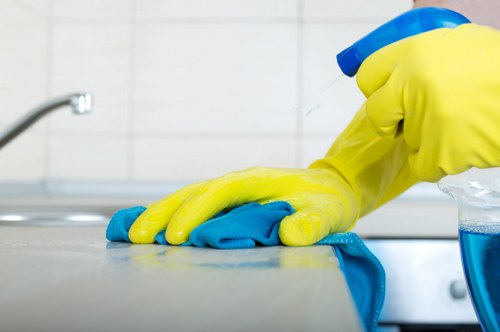
Move-related cleaning needs a more exacting approach because the property must be left ready for the next occupant or checked against a handover standard. This usually means a stronger focus on presentation, edge detailing and removal of accumulated dirt that may have built up during the tenancy or occupancy. Kitchens, bathrooms, skirting, cupboards and visible fixtures often receive the most attention.
For tenants, landlords and letting agents, a deep clean can reduce the amount of visible residue left behind before the next stage of the move. It is not the same as simply clearing belongings out; the emphasis is on the condition of the property after the move. If you need related support for a move-out, end of tenancy cleaning provides a focused option for properties being handed back or prepared for re-letting.
Quotation details are usually clearer when the size of the property, the number of rooms and the level of build-up are known in advance. If there are stubborn marks, heavily used appliances or rooms that have been used for storage, mention those early. That helps set a sensible scope and avoids underestimating the work required. Once you know what needs doing, you can ask for a quotation with confidence.
Commercial premises and shared spaces
Deep cleaning is equally useful in offices, shared premises and other commercial interiors where a tidy appearance alone is not enough. Busy workplaces collect fingerprints, dust and residue on desks, partitions, glass, skirting, communal touchpoints and floor edges. A more thorough service can help support a cleaner presentation for staff and visitors, especially after a busy season or before a re-opening.
Commercial work often requires a slightly different order of operations from domestic work because there may be reception areas, meeting rooms, kitchenettes and shared washrooms that all need individual attention. Where a business wants a broader reset, our office cleaning page is a useful starting point for understanding how workplace spaces can be handled. For premises with larger common areas, office cleaners may also be relevant if you are considering who should undertake the work.
When you request a quotation, it helps to say whether the premises are vacant, lightly used or actively occupied. That affects how the work is organised and what can be reached comfortably. A clear outline of rooms, access times and any sensitive areas will usually make the estimate more accurate, while still keeping the process straightforward.
About Wimbledon
Wimbledon is a district in southwest London best known for its association with tennis, but its character extends well beyond the Championships. The area includes Wimbledon Village, the town centre, and residential streets that spread across a mix of older and more modern development. Its local identity is shaped by the contrast between village-like lanes, busy commercial stretches and large areas of open green space. Wimbledon Common is one of the most prominent landscape features, offering a broad expanse of heath and woodland that has long been part of the district’s appeal. Nearby, Wimbledon Park adds further open ground, with water, paths and sporting facilities contributing to the area’s recreational life. The district also has strong transport connections, including the mainline station and Underground links, which have supported its growth and day-to-day activity over time. Architecturally, Wimbledon contains a varied streetscape: period homes, terraced properties, detached houses and newer apartment developments sit alongside shops, cafés and civic buildings. The presence of theatres, local arts venues and community institutions adds to the cultural mix, while the village centre retains a distinct character with independent businesses and historic surroundings. Together, these elements give Wimbledon a profile that combines established residential life, open space and a lively local centre.
Houses, apartments and larger family homes

Different property types call for different cleaning priorities. A flat may need careful attention to compact kitchens, bathrooms and shared corridors, while a larger house can involve more rooms, more edges and more variation in surfaces. Deep cleaning is therefore planned around the layout rather than a single fixed checklist. The aim is to make the work thorough, practical and appropriate to the property.
In family homes, the most important areas are often the busiest ones: kitchens, bathrooms, staircases, living spaces and hallways. In apartments, the focus may be on presentation, easy access and efficient handling of the rooms that gather the most daily use. If a property needs floor treatment as well as surface cleaning, hard floor cleaning may be useful where the flooring itself has lost some of its clean finish.
Some customers want a deep clean before guests arrive, after a renovation, or after a long period of occupancy. Others want to restore a property that has simply fallen behind. In each case, the goal is the same: a more comprehensive reset than routine chores can usually provide. If that is what you need, you can request a quotation and explain whether the emphasis is on one part of the home or the whole property.
Extra services that can support a deeper finish
In some homes and workplaces, a deep clean works best alongside specialist treatment for specific materials or fixtures. Upholstered seating, rugs and carpets can each hold onto dust and marks in different ways, so a combined approach may be sensible when the aim is a genuinely refreshed interior. These tasks are not automatically part of every visit, but they can be added where they are relevant and where the scope has been agreed in advance.
Useful related pages include upholstery cleaning for sofas and fabric seating, rug cleaning for moveable floor coverings, and sofa cleaning where one main item needs targeted attention. If the property contains hard floors that need a more detailed finish, the separate window cleaning page can also be helpful when presentation matters across more than one visible surface, although the exact combination should always match the job in hand.
Not every customer needs these add-ons, and it is often better to keep the job focused rather than bundle in work that does not add value. Practical planning usually comes down to deciding what would noticeably improve the property and what can stay outside the scope. If you are unsure, list the items or rooms that matter most and ask for a quotation based on those priorities.
How to prepare a quotation request
When you ask for a quote, the most useful information is usually simple: the property type, the number of rooms, the main tasks you want completed and any parts of the building that need extra care. A short description of the current condition is more valuable than a long explanation. If there are pets, access limitations or delicate surfaces, mention those as well so the scope can be set correctly from the start.
It also helps to decide whether you want a full-property service or attention to selected rooms. That distinction affects the time and detail involved, especially if the work includes kitchens, bathrooms or specialist extras. If you need to keep the process quick, a clear list is enough; if you want to go deeper, you can specify the problem areas that matter most. For a straightforward route, use our contact page to request a quotation and include the key details in your message.
Whether the job is for a home, rental property or workplace, the important thing is to set a realistic scope. That gives you a quotation that reflects the actual work rather than a vague estimate. If you already know which areas need the most attention, send that information now and we can help shape the next step.
Practical choices when booking a deep clean

There are a few simple choices that can make the service fit your situation more closely. You may want to prioritise the most visible rooms first, include specific fixtures such as ovens or shower screens, or focus on spaces that have been neglected for the longest time. Those decisions affect how the work is organised, so they are worth thinking through before the quotation is prepared.
If you are comparing different options, it can help to distinguish between a targeted visit and a broader reset. house cleaning is useful for regular upkeep, while deep cleaning is more suitable when a property needs a more intensive, restorative approach. For a broader view of the service family, cleaning company can help you compare what is available across domestic and commercial settings without assuming every job is the same.
For a clear start, write down the rooms, fixtures and surfaces that matter most, then ask for a quotation based on that list. You do not need to overcomplicate the request; simple, accurate detail is usually enough. If you are ready to move forward, send your enquiry today and we will help you take the next step.