Carpet cleaning South Wimbledon station
If you are searching for carpet cleaning South Wimbledon station, you are probably dealing with one of three things: a carpet that looks dull, a stain that has outstayed its welcome, or that slightly stale, lived-in smell that creeps up on you when the heating goes on. Truth be told, carpets work hard in station-area homes and businesses. Mud from the platform, drink spills, winter grit, pet hair, office dust - it all builds up quietly until one day you notice it under the light. This guide explains how carpet cleaning near South Wimbledon station works, who needs it, what to expect, and how to get the best results without wasting time or money.
We will keep it practical. No fluff. Just the stuff that helps you choose the right clean, avoid common mistakes, and understand the difference between a quick surface refresh and a proper deep clean. If you are comparing options, this should make the decision a lot easier.
Why Carpet cleaning South Wimbledon station Matters
South Wimbledon station sits in a busy part of London where people move through homes, flats, shops, and offices all day long. That constant foot traffic matters. Carpets near transport links tend to collect more grit, fine dust, and moisture than carpets in quieter areas. Even if the floor still looks "fine" at a glance, the fibres can hold onto debris much deeper down than a vacuum can reach.
There is also the everyday reality of London weather. Wet shoes in the morning, dry dust by afternoon, then another round of damp air in the evening. It is not dramatic, but it adds up. A carpet that seems slightly flat or grey often needs a proper clean rather than another quick hoover. And once fibres start holding onto soil, they can wear unevenly. That is where regular carpet cleaning near South Wimbledon station becomes less of a luxury and more of a sensible bit of upkeep.
For households, it helps with comfort, hygiene, and appearance. For landlords and tenants, it can be part of keeping a property presentable between moves. For local offices or treatment rooms, cleaner carpets support a better first impression and a tidier working environment. Simple as that.
Practical takeaway: if your carpets get heavy use, cleaning them before they look badly soiled is usually easier, cheaper in the long run, and less stressful than waiting for a full rescue job.
How Carpet cleaning South Wimbledon station Works
Most professional carpet cleaning follows a sensible sequence. The exact method depends on the fibre type, the level of soiling, and whether the carpet is in a home, rental property, or business setting. If someone tries to treat every carpet the same way, that is usually a red flag. Wool, synthetic blends, and delicate rugs all need slightly different handling.
The process usually starts with inspection. A cleaner checks the carpet type, stain types, traffic lanes, and any areas that might need pre-treatment. Then comes vacuuming and preparation. This matters more than people think. Removing loose grit first helps avoid turning dirt into paste during cleaning, which is not the goal. Nobody wants mud becoming a new hobby.
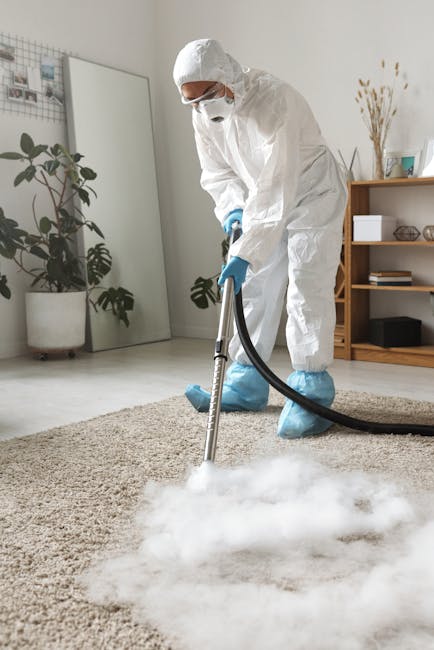
After that, the cleaner applies the chosen method. Hot water extraction is common for many domestic carpets because it can flush soil from deep in the pile. Low-moisture or dry compound approaches may suit certain situations where faster drying is important. Spot treatments can help with isolated stains, though they are not magic. If a stain has chemically altered the fibres or been set by heat, results may be limited. Honest cleaners will say so rather than promise miracles.
Finally, the carpet is groomed and left to dry. Airflow, temperature, and room use affect drying time. A clean that looks great but leaves the room unusable for too long may not be practical, especially in a busy flat or working office. This is why method choice matters just as much as the result.
Key Benefits and Practical Advantages
There is a visible side to carpet cleaning, and then there is the bit you feel over time. The obvious win is appearance: colours come back, traffic lanes fade, and the whole room can feel brighter. But the practical gains go further than that.
- Better day-to-day hygiene: Carpets trap dust, crumbs, pet dander, and tracked-in dirt. Cleaning helps remove what the vacuum leaves behind.
- Improved freshness: Odours from pets, spills, and general wear can sit in the pile. A deep clean can reduce that stale feeling.
- Longer carpet life: Embedded grit acts like sandpaper. Removing it can reduce fibre wear over time.
- Smarter property presentation: This matters in rented homes, show flats, local offices, and client-facing spaces.
- Better comfort underfoot: Clean fibres tend to feel softer and less compacted. You notice it when you walk across the room barefoot.
There is also a quiet psychological benefit. A properly cleaned carpet can make the whole place feel more settled. People underestimate that. You walk in, see a clean floor, smell something neutral rather than dusty, and the room just behaves better. Oddly human, but true.
Who This Is For and When It Makes Sense
Carpet cleaning near South Wimbledon station makes sense for more people than you might think. It is not only for homes with obvious stains. In practice, it helps a wide mix of people in different situations.
- Homeowners: If your carpet gets regular use from family life, pets, or children, a scheduled clean keeps it from ageing too quickly.
- Tenants and landlords: End-of-tenancy handovers often go more smoothly when carpets are properly refreshed, especially in high-traffic rooms.
- Local businesses: Offices, studios, and consulting rooms near the station benefit from a tidier, more professional feel.
- Busy commuters: If muddy shoes, wet umbrellas, and rushed mornings are part of life, the carpet will show it sooner or later.
- People with allergies or sensitivities: A deeper clean can help reduce built-up dust and allergens, though it is not a medical treatment.
It makes particular sense after winter, after a party, after renovations, or when a room starts looking tired even after vacuuming. You know the moment: the carpet is not terrible, exactly, just a bit defeated. That is usually the time to act.
If you are also dealing with broader household upkeep, pairing carpet work with deep cleaning or domestic cleaning can be a sensible way to reset the whole property in one go.
Step-by-Step Guidance
If you want the best outcome from carpet cleaning South Wimbledon station, the process is worth understanding. It helps you prepare properly and judge whether the job has been done well.
- Identify the problem areas. Look for traffic lanes, spots, odours, and any flattened sections. Be specific if you are booking a cleaner. "It looks dirty" is fair enough, but "the hallway and one landing stain" is much more useful.
- Check the fibre and backing. Some carpets are tougher than they look, others are more delicate. Wool, synthetic, and blended carpets can respond differently.
- Vacuum thoroughly. Loose grit should come out before any wet process. If it is not removed first, the cleaning solution has more work to do.
- Pre-treat stains. Spot treatment is often needed for food, drink, or mud marks. A cleaner may use different solutions depending on the type of stain.
- Choose the right cleaning method. Hot water extraction, low-moisture cleaning, or specialist stain work may all be suitable depending on the carpet.
- Allow proper drying. Open windows if possible, keep airflow moving, and avoid heavy foot traffic too soon. It sounds obvious, but people often rush this bit.
- Inspect the result. Check edges, under furniture, and the areas where dirt was most visible. A good clean should look even, not patchy.
A useful detail many people miss: ask whether the cleaner will move light furniture and how they handle fragile items. That one question saves awkward surprises later. Also, if a stain is old, do not be offended if the cleaner says it may lighten rather than disappear. That is honest. Better honest than theatrical.
Expert Tips for Better Results
Small choices make a big difference. Here are the things that tend to separate a decent result from a really good one.
- Vacuum before the appointment. It saves time and lets the cleaner focus on embedded soil rather than loose debris.
- Tell the cleaner about stain history. If you have already used supermarket stain remover, mention it. Some products react badly with others.
- Use mats at entrances. Especially near a station area, a good entrance mat cuts down on grit reaching the carpet.
- Rotate furniture where possible. This helps prevent obvious wear paths and flattened rectangles in the middle of the room.
- Book before the carpet looks exhausted. Regular maintenance is easier than emergency cleaning after a spill or tenancy check.
- Prioritise airflow. If a room feels damp and still after cleaning, use ventilation carefully. A little air movement goes a long way.
One more thing: if you have pets, be realistic about timing. A freshly cleaned carpet and a dog with wet paws are not exactly best friends. Give the carpet a proper dry window if you can. Your future self will thank you.
If the carpet is part of a larger refresh, it can be sensible to combine the visit with sofa cleaning or upholstery cleaning so the room feels coherent rather than half-done.
Common Mistakes to Avoid
Carpet cleaning sounds straightforward, but a few common mistakes can leave you disappointed. Some are small. Some are the sort that create a bigger mess than you started with.
- Using too much water: Over-wetting can lead to slow drying, damp odours, and residue in the pile.
- Scrubbing stains aggressively: Rubbing pushes the stain deeper and can damage fibres. Blotting is usually safer.
- Assuming all cleaners use the same method: They do not. Good results depend on choosing the right approach for the carpet.
- Skipping pre-vacuuming: This leaves grit in place, which reduces the effectiveness of the clean.
- Ignoring drying time: Walking on the carpet too soon can re-soil fibres or leave footprints. Slightly annoying, but avoidable.
- Choosing solely on price: The cheapest quote is not always the best value if it omits stain treatment, drying guidance, or proper preparation.
A little scepticism helps. If someone guarantees perfect removal of every stain on every carpet, that is a bit too neat, isn't it? A more reliable approach is to ask what results are realistic and what may improve but not disappear entirely.
Tools, Resources and Recommendations
The right tools make the job easier and safer. This is true for professionals and for anyone doing light maintenance between visits.
| Tool or item | What it does | Why it matters |
|---|---|---|
| High-quality vacuum cleaner | Removes dry soil before wet cleaning | Reduces abrasion and improves overall results |
| Spot treatment solution | Targets stains before full cleaning | Helps lift marked areas more effectively |
| Microfibre cloths | Blot spills without spreading them | Gentler than paper towels and more effective for many spots |
| Air mover or good ventilation | Speeds drying | Reduces downtime and the risk of lingering dampness |
| Protective mats | Catches dirt at entrances | Helps keep carpets cleaner for longer |
For full-property upkeep, local customers sometimes compare carpet work with services like one-off cleaning, end of tenancy cleaning, or even office cleaning if the space is commercial. The right choice depends on whether you need a reset, a move-out standard, or a regular maintenance plan.
It can also help to look at the company's wider service approach. A provider with clear information about pricing and quotes, along with details on insurance and safety, usually feels more transparent from the start.
Law, Compliance, Standards, or Best Practice
Carpet cleaning itself is not a heavily regulated activity in the way some trades are, but good providers still follow sensible UK best practice. That usually includes careful handling of cleaning products, safe working methods, and honest communication about what the service can and cannot do.
For customers, the practical checks are straightforward:
- Health and safety: Wet floors, cables, and moving furniture all create slip and trip risks. A responsible cleaner should manage these carefully.
- Insurance: It is sensible to use a company that explains how it handles accidental damage or mishaps.
- Product use: Cleaning agents should be used according to instructions and with attention to fibre type and ventilation.
- Data and privacy: If you are booking online or by phone, a company's privacy and payment pages should be clear.
- Complaints process: If something goes wrong, you should know how concerns are handled.
For a local cleaning company, transparency matters. Pages such as health and safety policy, terms and conditions, and complaints procedure are useful trust signals because they show the business is not hiding the basics. The same goes for sustainability information if you care about product choice and waste handling.
None of this is about being fussy for the sake of it. It is about knowing the work will be done carefully, without creating avoidable problems in your home or workplace.
Options, Methods, or Comparison Table
Not every carpet needs the same treatment. The right method depends on the carpet, the amount of soil, and how quickly the area needs to be used again. Here is a simple comparison to help you think it through.
| Method | Best for | Strengths | Limitations |
|---|---|---|---|
| Hot water extraction | Most heavily used domestic carpets | Deep soil removal, strong general clean | Needs drying time; not ideal for every delicate fabric |
| Low-moisture cleaning | Busy homes and offices needing faster turnaround | Quicker drying, less downtime | May be less intensive on deep-set dirt |
| Spot treatment | Isolated stains | Targets problem areas directly | Not a full clean on its own |
| Dry compound cleaning | Some delicate or moisture-sensitive carpets | Very low moisture, minimal drying | Not suitable for every soil type |
If you are not sure which method fits, ask the cleaner to explain why they recommend one option over another. A good answer should sound specific, not scripted. "This is the best thing we do" is not as reassuring as "this carpet has older traffic lanes and needs a deeper rinse with careful drying." That difference matters.
Case Study or Real-World Example
Here is a realistic example. A small flat near South Wimbledon station has a hallway carpet that sees daily foot traffic, plus a living room carpet that has picked up dust, drink marks, and a faint pet smell over time. Nothing dramatic. Just the usual slow build-up that happens when life is busy and no one feels like dealing with it on a Wednesday night.
The owner books a carpet clean before a family visit. First, the cleaner inspects the pile and identifies the heavier soil in the hallway. The hallway gets extra pre-treatment because that is where shoes track in the most grit. The living room carpet gets a separate stain approach because the spots are older and slightly set. The cleaner also explains that one mark may fade rather than vanish completely, which is fair enough and better than overselling it.
After cleaning, the carpets look brighter and feel less compacted. The hallway no longer has that greyed-in look around the edges, and the living room smells more neutral. The owner keeps the windows ajar for a bit, avoids walking on the carpet for a few hours, and places mats by the entrance afterwards. Not glamorous. Very effective.
The main lesson? The best results usually come from matching the method to the actual problem, not just treating the whole room as one big stain. Simple, but people forget it all the time.
Practical Checklist
Use this quick checklist before and after your carpet cleaning appointment near South Wimbledon station.
- Vacuum the carpet before the cleaner arrives.
- Point out the worst stains and traffic areas.
- Move small items, toys, and breakables out of the way.
- Tell the cleaner about pets, allergies, or recent spill treatments.
- Ask how long drying is likely to take.
- Confirm whether furniture movement is included.
- Keep windows or ventilation available where practical.
- Avoid walking on the carpet too soon after cleaning.
- Use protective mats at entrances afterwards.
- Note any remaining marks so you can discuss them promptly if needed.
Quick reminder: a little preparation goes a long way. Honestly, the best cleaning outcomes are often the ones that feel calmly organised rather than rushed.
Get a free quote today and see how much you can save.
Conclusion
Carpet cleaning South Wimbledon station is really about keeping busy London spaces comfortable, healthier-looking, and easier to live or work in. Whether you are dealing with tracked-in street dirt, an old stain, or simply a carpet that has lost its bounce, the right clean can make a proper difference. The key is to choose a method that fits the carpet, allow enough drying time, and work with a provider that is clear about expectations from the start.
If you are weighing up your options, think about the room's use, the carpet's condition, and how soon you need it back in action. That usually tells you more than any sales pitch does. And if you want a bigger reset, combining carpet work with broader home or office cleaning can save effort and give the place a much fresher feel.
One good clean can reset a room in a way that is hard to describe until you feel it under your feet. Quietly satisfying, really.
Frequently Asked Questions
How often should carpet cleaning near South Wimbledon station be done?
It depends on foot traffic, pets, children, and whether the carpet is in a home or business. High-use areas often need cleaning more regularly than low-traffic rooms, while households with pets may want a more frequent schedule.
Is hot water extraction better than dry cleaning?
Not always. Hot water extraction is excellent for many deeply soiled carpets, but low-moisture or dry methods can be better where drying time is limited or the carpet is more delicate. The best choice depends on the fibre and condition.
Will carpet cleaning remove every stain?
No honest cleaner should promise that. Many stains improve a lot, some disappear, and some may only lighten. Age, fibre type, previous cleaning attempts, and the substance itself all affect the result.
How long does a cleaned carpet take to dry?
Drying time varies with the method used, ventilation, room temperature, and how much solution was applied. Good airflow usually helps, but you should always follow the cleaner's advice before putting furniture back or walking heavily on the carpet.
Can carpet cleaning help with pet odours?
Yes, it can often reduce pet smells trapped in the fibres and backing. If odours are deep or recurring, a standard surface clean may not be enough, and a more targeted treatment could be needed.
Do I need to vacuum before the cleaner arrives?
Yes, if you can. Pre-vacuuming removes loose dirt and grit, which helps the cleaner focus on the embedded soil. It is one of the easiest ways to improve the result.
Is carpet cleaning worth it for rented properties?
Usually, yes. It can help the property look cared for and may reduce issues at the end of a tenancy if the carpet has been properly maintained. Just keep in mind that fair wear and tear is different from neglect.
What should I ask before booking a carpet cleaner?
Ask what method they use, how long drying takes, whether stain treatment is included, if furniture moving is covered, and whether they have clear insurance and safety information. Those questions save a lot of guessing.
Can carpet cleaning damage my carpet?
It can if the wrong method or too much moisture is used, or if the carpet is not suitable for the treatment chosen. That is why inspection and experience matter. A careful cleaner will explain any risks before starting.
Is it better to clean carpets before or after decorating?
Usually after major decorating work, especially if dust or debris is likely to fall onto the carpet. If the carpet is already dirty before the work begins, a pre-clean can still help, but timing should be planned around the job.
How do I know if a carpet cleaner is trustworthy?
Look for clear pricing, sensible explanations, transparent policies, and a calm approach to expectations. If a company is open about safety, complaints, and payment details, that is generally a good sign.
Can carpet cleaning help with allergies?
It may help reduce dust, dander, and other debris trapped in the fibres, which can support a cleaner indoor environment. It is not a medical treatment, but it can be part of sensible household maintenance.
What is the best way to keep carpets cleaner for longer?
Use entrance mats, vacuum regularly, deal with spills quickly, and avoid letting wet outdoor dirt sit in the pile. Small habits make a big difference over time. Really, they do.